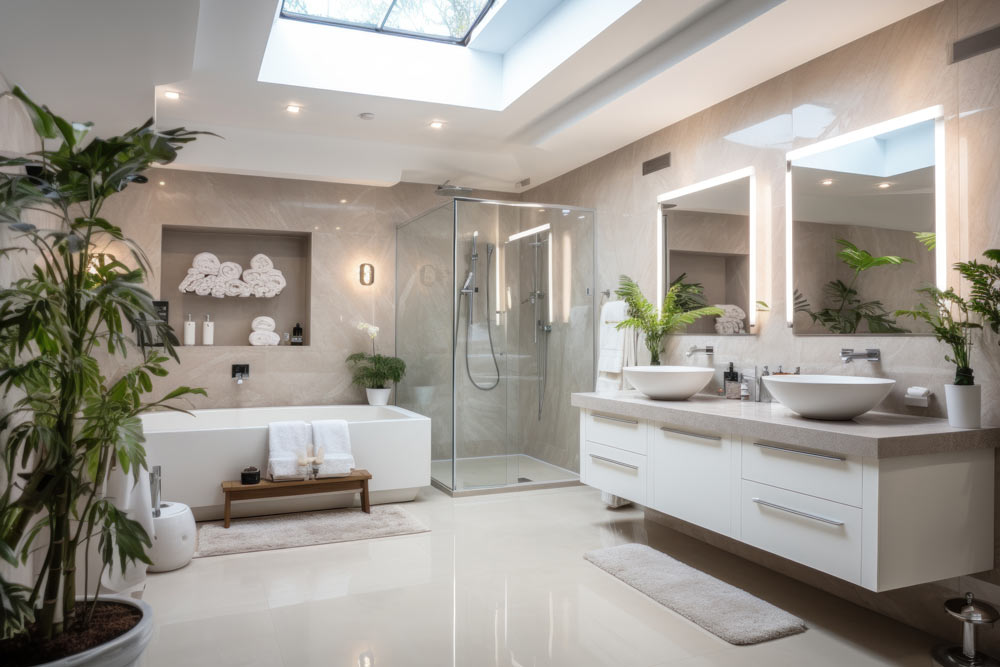

Bathroom Renovations can feel exciting at first, but for many homeowners the process quickly becomes overwhelming. There are decisions about layout, tiles, plumbing, fixtures, lighting, and budget all happening at once. Without a clear approach, it is easy for things to spiral into confusion or unnecessary expense.
That is where careful Bathroom Planning makes a real difference. When you break the process into manageable stages, the project becomes far more controlled and far less stressful. Instead of reacting to problems as they appear, you are making informed decisions from the start.
This guide walks through the key stages of Bathroom Planning so you can approach your renovation with more confidence and fewer surprises along the way.
Start with how you actually use the space
Before thinking about tiles or fittings, it helps to focus on how the bathroom is used day to day. This step is often rushed, but it sets the direction for everything else.
Ask practical questions. Is this a family bathroom used by multiple people every morning? Is it a small ensuite where space is limited? Or is it more of a relaxation-focused room where comfort matters more than storage?
Good Bathroom Planning starts with function, not aesthetics. A bathroom that looks impressive but doesn’t work for your routine will quickly become frustrating. Once usage is clear, design decisions tend to fall into place more naturally.
Measure properly and understand your layout
Accurate measurements are essential. Even small miscalculations can cause problems later, especially when ordering baths, showers or fitted furniture.
It is not just about width and length either. Ceiling height, door swings, window positions and existing plumbing all play a role in how the room can be used. These elements often limit or guide layout choices more than people expect.
In many Bathroom Renovations, the existing layout can be improved without major structural changes, but only if the planning stage is done carefully. Rushing this part can lead to avoidable compromises later on.
Set a realistic budget early
One of the biggest sources of stress in Bathroom Planning is uncertainty around cost. It helps to set a realistic budget early on, even if it is a rough range rather than a fixed number.
A bathroom project usually includes several cost areas: labour, materials, plumbing, electrics, and sometimes unexpected repairs. Older properties in particular can reveal hidden issues once work begins.
It is sensible to include a contingency within your budget. This is not about expecting problems, but recognising that Bathroom Renovations can sometimes uncover issues behind walls or under floors.
Having a clear financial boundary helps guide decisions and prevents overspending on features that may not be necessary.
Decide on layout before choosing products
It is tempting to start by selecting tiles or fixtures, but layout should come first. Once the layout is fixed, you can choose products that fit the space properly.
Think about where the bath, shower, toilet and basin will sit. Small changes in positioning can dramatically improve usability. For example, moving a shower slightly can make a room feel more open, while repositioning a basin might improve storage options.
Effective Bathroom Planning focuses on flow and practicality before style. Once the layout works, the design stage becomes much easier.
Choose materials that balance style and practicality
Tiles, flooring and fittings all contribute to the final look, but they also need to perform well in a wet environment.
Porcelain tiles, for example, are often chosen in Bathroom Renovations because they are durable and low maintenance. Natural stone can look beautiful but may require more care. Similarly, cheaper fittings may reduce upfront cost but might not last as long in daily use.
The goal is not necessarily to choose the most expensive materials, but to select options that make sense for how the bathroom will be used. Good Bathroom Planning considers long-term durability as much as initial appearance.
Think about storage early, not last
Storage is often treated as an afterthought, which can lead to cluttered bathrooms later on. It is better to think about it during the planning stage.
Wall niches, vanity units, mirrored cabinets and shelving can all be integrated into the design if considered early enough. Once tiling and plumbing are fixed, options become more limited.
In many Bathroom Renovations, better storage is what ultimately improves day-to-day usability more than any single design feature. It is worth giving it proper attention from the beginning.
Lighting and ventilation matter more than expected
Lighting can completely change how a bathroom feels. A well-lit space feels larger and more welcoming, while poor lighting can make even a newly renovated bathroom feel dull.
Layered lighting often works best, combining ceiling lights with task lighting around mirrors. This allows flexibility depending on use.
Ventilation is equally important. Without proper airflow, moisture can build up and cause long-term issues such as mould or damp. Good Bathroom Planning includes both natural and mechanical ventilation considerations.
Don’t rush product selection
Once layout and budget are clear, you can start selecting products. This is often the most enjoyable part of Bathroom Renovations, but it can also become overwhelming due to the sheer number of options.
It helps to stay consistent with your overall design direction. Mixing too many styles or finishes can make the space feel disjointed.
Taking time at this stage reduces the risk of regret later. Small decisions, like tap finishes or tile textures, can have a bigger impact than expected once everything is installed.
Work with experienced installers
Even the best Bathroom Planning can fall apart if installation is rushed or poorly executed. Skilled workmanship is what brings everything together.
Experienced installers can also provide practical advice during the planning stage. They may highlight potential issues with layout, plumbing or materials that are not immediately obvious.
In many cases, this input helps refine ideas before work begins, saving time and reducing stress during the actual renovation.
Build in time for disruption
Bathroom Renovations are disruptive by nature. There will likely be periods without full bathroom access, noise, dust and general inconvenience.
Planning for this in advance helps reduce frustration. If there is another bathroom in the property, scheduling may be easier. If not, temporary arrangements may need to be considered.
Understanding the timeline realistically makes the process feel more manageable rather than disruptive.
Final thoughts
Bathroom Planning is not about creating a perfect, rigid plan from day one. It is more about making informed decisions in the right order, so the project develops logically rather than chaotically.
When you start with function, set a clear budget, prioritise layout and consider practical details early, Bathroom Renovations become far more predictable. The result is a space that not only looks good but actually works in everyday life without unnecessary stress along the way.